Thursday & Friday, May 21-22, 2026
are right around the corner
What To Expect
This isn’t just another conference. It’s a carefully curated experience designed to equip, connect, and inspire the professionals and community leaders strengthening mental health and well-being across Montana.

Collaborative Learning
Experience two powerful days of high-quality learning, meaningful connection, and intentional collaboration designed to strengthen mental health and well-being across Montana.

Real Conversations
Engage in honest, solution-focused panels and roundtable discussions with professionals and leaders shaping mental health and community care across Montana.

Professional Growth
Grow professionally while earning up to 10 continuing education credits and gaining practical insights that support long-term impact in your work and community.

Wellness Experiences
Experience wellness in action through breathwork, qigong, sound baths, and other embodied sessions designed to help you regulate, reset, and recharge.

Choose Your Path
Customize your experience by choosing from a variety of breakout sessions, workshops, roundtables, and wellness experiences that align with your interests, role, and goals.

Community Building
From the vendor expo to our evening social, build authentic relationships, discover valuable resources, and create connections that continue long after the conference ends.
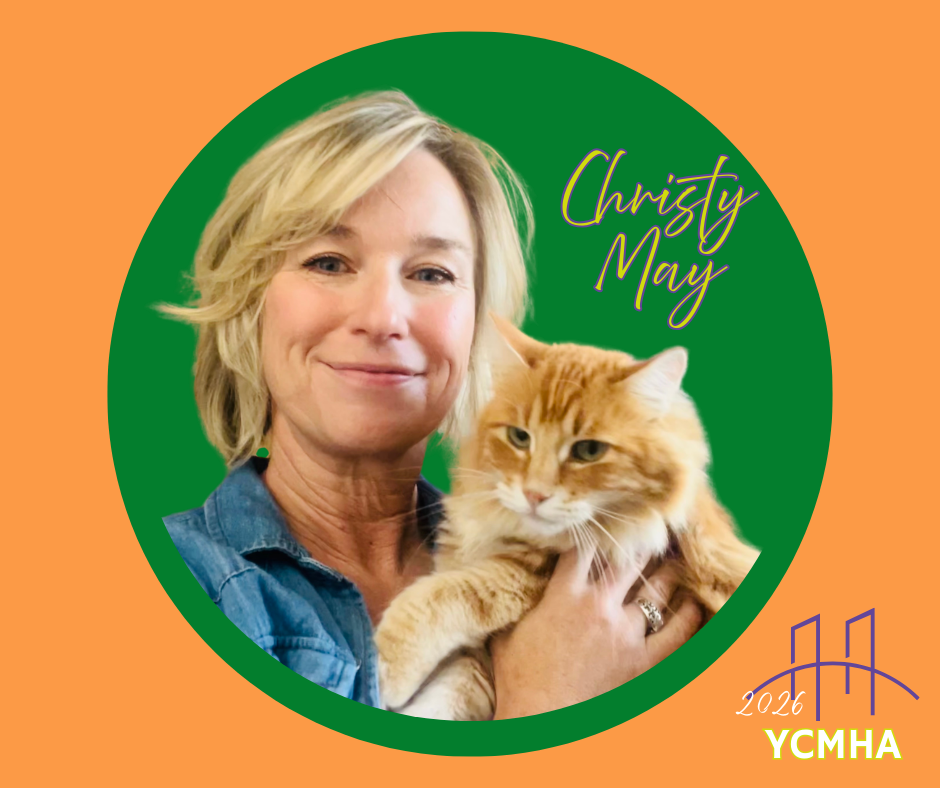
Our 2026 Presenters




2026 Featured Exhibitors
.png)

-
Montana Psychiatry & Brain Health Center
-
Shodair Children's Hospital
-
Catalyst for Change
-
Resilient Stories
-
Brainbox Psychiatry
-
Charlie Health
-
Newport Healthcare
-
Miss Katie Your Insurance Lady
-
AWARE
-
Professional Counselors Association of Montana
-
Relating Play
-
Embark Behavioral Health
-
406 RX
-
Montana Empowerment Center
-
Penguin Health
-
Provider Support Services
-
Frontier Psychiatry
-
Holistic Healing Psychiatry
-
The Worthy Ranch
-
St. John's United
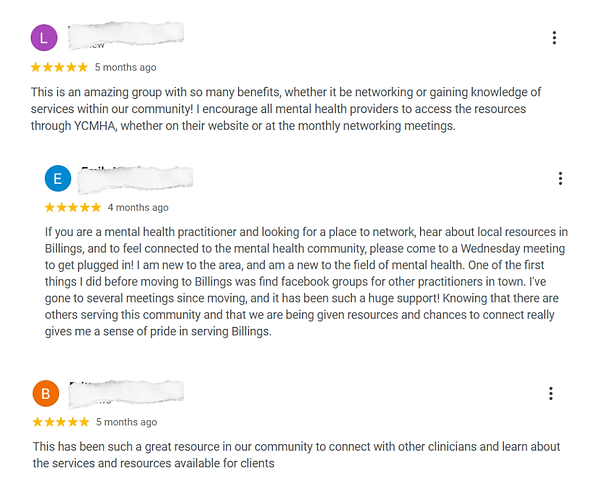
About the Yellowstone County
Mental Health Alliance
The Yellowstone County Mental Health Alliance (YCMHA) is a growing network of providers, agencies, and community leaders working together to strengthen collaboration and expand access to mental health care across Montana. We officially launched in 2023 with a simple but powerful vision: to bridge gaps, build relationships, and create a more connected system of care.

Frequently Asked Questions
Lodging at
the Conference
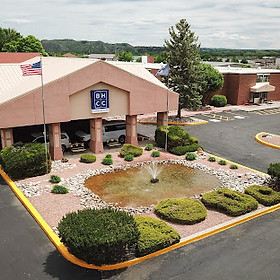
Stay right at the Billings Hotel and Convention Center - easy, convenient, and just steps away from everything happening at the conference.
Room block availability is limited so book early to lock in the discounted rate.
Connecting Providers. Strengthening Systems. Expanding Access. Elevating Care Across Montana.
Why Bridging the Gaps Matters
The Bridging the Gaps Conference brings together mental health professionals, wellness practitioners,
educators, advocates, and community leaders for two days of learning, collaboration, and
meaningful conversation around mental health and emotional well-being.
Designed primarily for counselors, social workers, therapists, and helping professionals, this event also welcomes those in adjacent fields who are passionate about supporting healthier individuals, workplaces, families, and communities.
Through engaging presentations, interactive workshops, roundtable discussions, and networking opportunities, attendees will explore topics related to mental health, trauma, burnout prevention, resilience,
nervous system regulation, wellness practices, and sustainable ways of caring for ourselves and others.
Who Belongs in the Room?
Heading 2
-
Counselors & therapists
-
Social workers & psychologists
-
Healthcare professionals
-
Educators & school staff
-
Coaches & wellness practitioners
-
Community advocates & nonprofit leaders
-
Clergy & faith leaders
-
Students entering helping professions
-
Leaders invested in healthier workplaces and communities
-
Anyone passionate about mental health, wellness, and human connection


Join Us at Bridging the Gaps 2027
May 21-22, 2027
Billings Hotel and Convention Center | Billings, MT

Yellowstone County Mental Health Alliance has been approved by NBCC as an Approved Continuing Education Provider, ACEP No. 7919. Programs that do not qualify for NBCC credit are clearly identified. Yellowstone County Mental Health Alliance is solely responsible for all aspects of the programs.